Applications & materials
PVC rain boot compounds: requirements to confirm before a trial
Define the boot construction, hardness scale, appearance targets and trial records before evaluating a PVC compound.
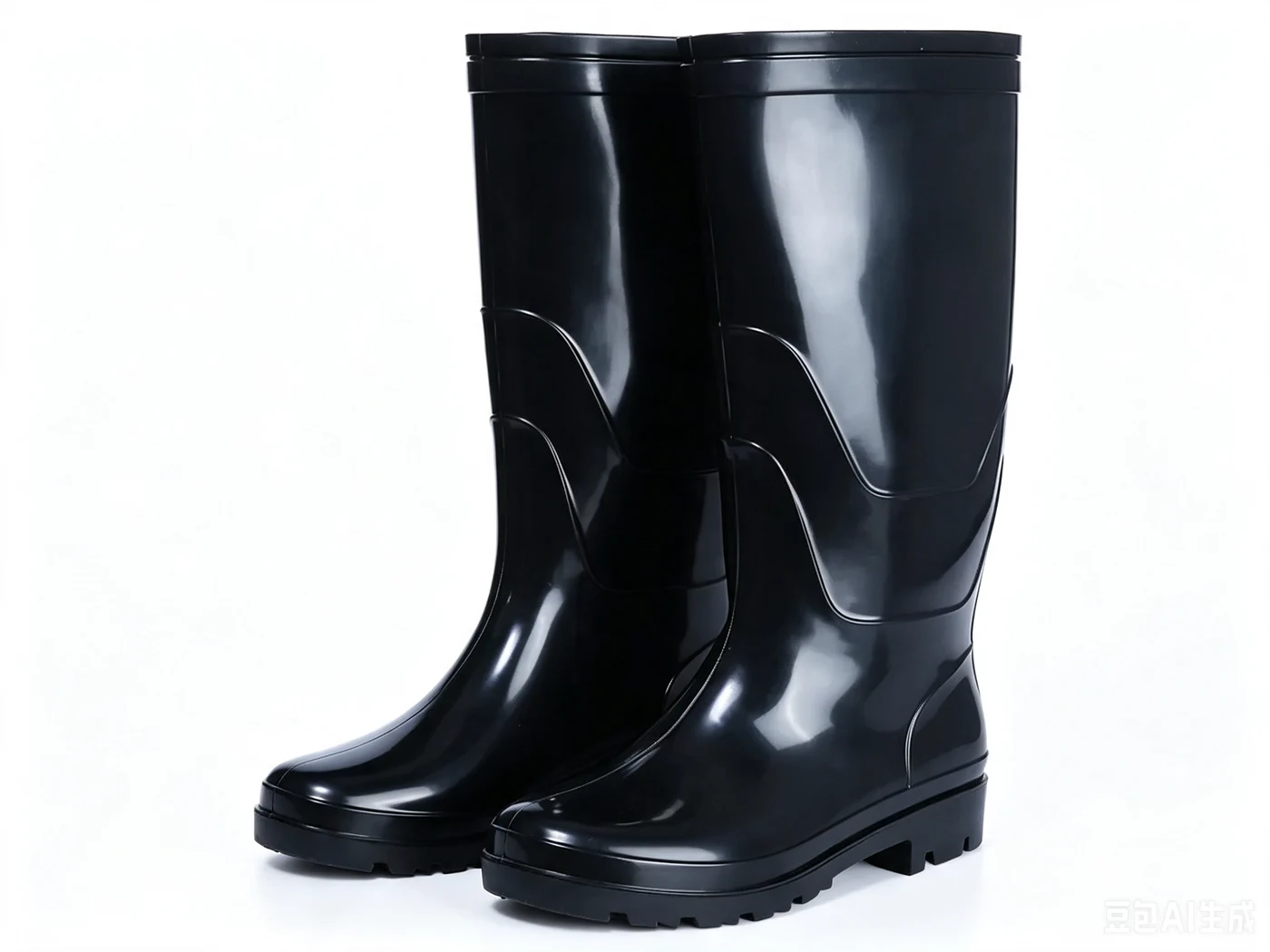
A useful discussion about rain boot compounds starts with the actual product and manufacturing process. Requests such as “make it softer” or “improve durability” need clearer evaluation criteria. Establish what the customer expects and how it will be assessed before comparing grades and samples.
Confirm construction and molding requirements
Tell the supplier whether the shaft and sole use the same material and whether production involves separate molding steps, different colors or subsequent assembly. Provide a representative design, key thicknesses and target part weight. Keep results for different designs or thicknesses separate.
This website groups rain boots under flexible injection PVC. Material selection still depends on the actual process, tooling and equipment. Finished-product images illustrate an application; they are not an offer to supply finished boots.
Turn appearance and feel into clear requirements
When specifying hardness, include the scale, test method and specimen conditions. A number without context is not a sufficient comparison. If only a reference feel is available, provide a sample that can be shared and discuss an evaluation method with the technical team.
- Define the color reference, transparency and surface finish.
- Distinguish a desired part weight from a verified acceptance range.
- Explain flexibility and service-temperature requirements and agree on how to assess them.
- Agree how appearance defects or odor concerns will be checked and judged, rather than relying only on informal descriptions.

Agree on the evaluation before scheduling a trial
Depending on use, finished-boot assessment may involve dimensions, flexing behavior, structural integrity of the sole and shaft, or checks for leakage. The customer and technical team should determine which checks apply, the methods to use and the acceptance limits. This article provides no universal pass values and does not replace finished-product testing.
For occupational, protective or other specified uses, clarify the applicable standards and documentation scope first. An application name or photograph is not evidence of finished-product certification.
Record the material, process and outcome
Confirm the sample grade and batch before the trial. Record the equipment, mold and actual processing conditions. Keep representative parts or photographs from each run, together with observations and adjustments. Make the purpose of each adjustment clear so results can be compared.
- Material record: sample identification, batch, corresponding technical information and any handling before use.
- Production record: equipment, tooling, actual conditions and the changes made in that run.
- Results: appearance, dimensions, part weight and the agreed test outcomes.
- Decision: accepted items, points requiring another trial or adjustment, and responsibility for the next step.
Use the trial result to define the next order
Share the trial results and confirm the grade, color, packaging and acceptance requirements for subsequent supply. Quantities, lead times and commercial terms should be agreed separately. Observations from one sample trial do not establish performance over long-term use or under every possible condition.
Discuss your requirements
Reference values support initial discussions. Confirm the current grade-specific technical data, units, test conditions and acceptance criteria before ordering. Application suitability depends on the agreed requirements and evaluation.
Samples and evaluation